In the competitive world of PC gaming, the difference between victory and defeat often comes down to milliseconds and pixel-perfect precision. While a powerful PC and a high-refresh-rate monitor are crucial, your interaction with the game largely hinges on your gaming keyboard and mouse. These aren’t just ordinary peripherals; they are finely tuned instruments engineered to provide a tangible advantage, enhancing speed, accuracy, and comfort during intense gaming sessions.
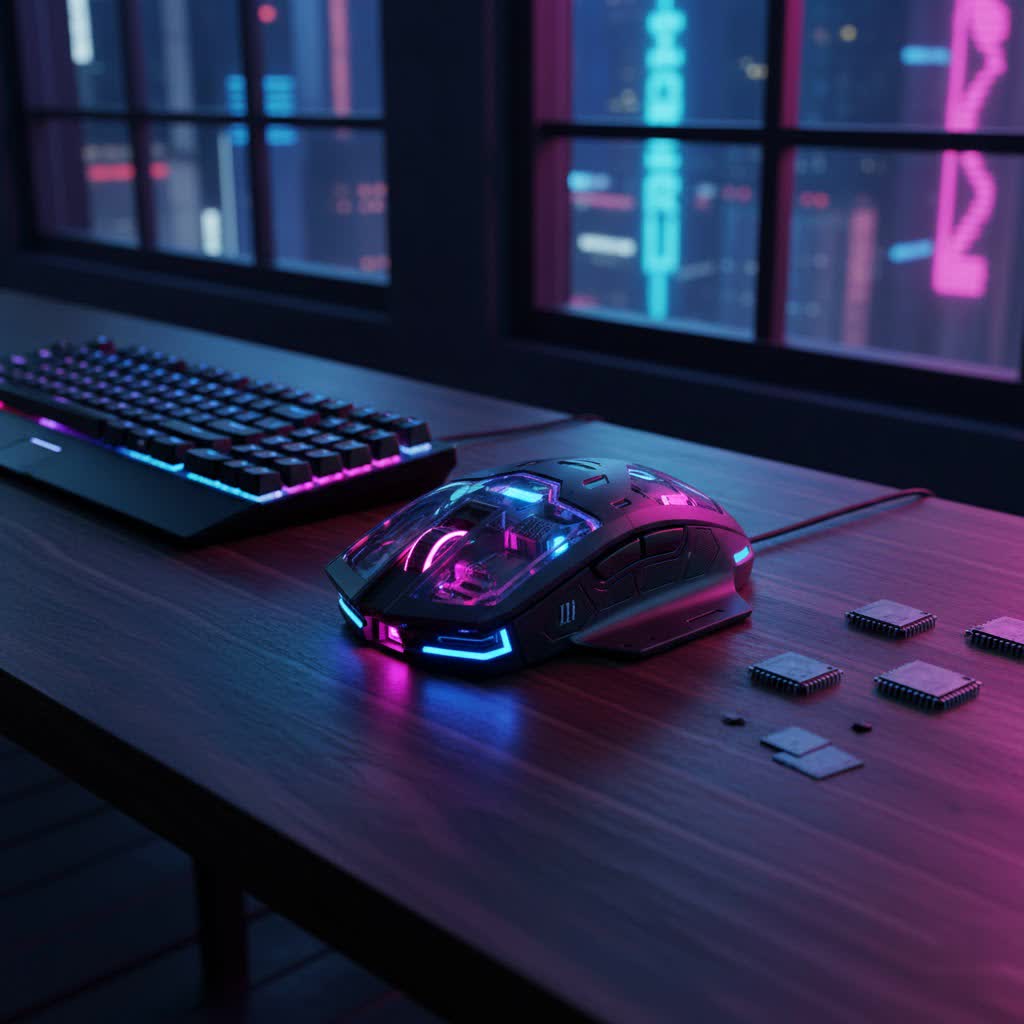
Unlocking Victory: A Deep Dive into Gaming Keyboards and Mice
Gaming keyboards and mice are purpose-built tools designed to meet the rigorous demands of modern gaming. Unlike standard office peripherals, they boast advanced features, superior build quality, and ergonomic designs that significantly impact your in-game performance and overall experience. From responsive keystrokes to pinpoint aiming, understanding these devices is the first step towards optimizing your setup.
What Makes Gaming Keyboards and Mice Essential?
Gaming peripherals are engineered with a clear objective: to give players an edge. This importance stems from several key areas:
- Speed and Responsiveness: Gaming keyboards feature faster switches and higher polling rates, while gaming mice offer advanced sensors and adjustable DPI, translating physical movements into in-game actions with minimal delay.
- Precision and Accuracy: High-quality sensors in mice ensure consistent tracking, and mechanical switches in keyboards provide tactile feedback for accurate keypresses, crucial for precise aim and executing complex commands.
- Durability and Longevity: Built with robust materials and switches rated for millions of actuations, gaming peripherals withstand the intense, rapid input of competitive play far better than their standard counterparts.
- Customization and Personalization: From programmable macro keys to customizable RGB lighting and adjustable weights, these devices can be tailored to individual playstyles, preferences, and ergonomic needs.
- Ergonomics and Comfort: Designed for extended use, gaming keyboards often include wrist rests, and mice come in various shapes and sizes to accommodate different grip styles, reducing fatigue and preventing strain during marathon sessions.
|
Our Picks for the Best Gaming Mouse in 2026
As an Amazon Associate I earn from qualifying purchases.
|
||
| Num | Product | Action |
|---|---|---|
| 1 | Razer Basilisk V3 Customizable Ergonomic Gaming Mouse: Fastest Gaming Mouse Switch - Chroma RGB Lighting - 26K DPI Optical Sensor - 11 Programmable Buttons - HyperScroll Tilt Wheel - Classic Black |

|
| 2 | Logitech G502 Hero High Performance Wired Gaming Mouse, Hero 25K Sensor, 25,600 DPI, RGB, Adjustable Weights, 11 Buttons, On-Board Memory, PC/Mac |
|
| 3 | Logitech G305 Lightspeed Wireless Gaming Mouse, Hero 12K Sensor, 12,000 DPI, Lightweight, 6 Programmable Buttons, 250h Battery Life, On-Board Memory, PC/Mac - Black |
|
| 4 | Razer Viper V3 Pro Wireless Esports Gaming Mouse: Symmetrical - 54g Lightweight - 8K Polling - 35K DPI Optical Sensor - Gen3 Optical Switches - 8 Programmable Buttons - 95 Hr Battery - Black |
|
| 5 | Razer DeathAdder Essential Gaming Mouse: 6400 DPI Optical Sensor - 5 Programmable Buttons - Mechanical Switches - Rubber Side Grips - Classic Black |
|
| 6 | Logitech G PRO X Superlight Wireless Gaming Mouse, Ultra-Lightweight, Hero 25K Sensor, 25,600 DPI, 5 Programmable Buttons, Long Battery Life, Compatible with PC/Mac - Black |
|
| 7 | MAMBASNAKE ATTACKSHARK V8 Wireless Ultralight Gaming Mouse with 8K Polling,42000 DPI,Nordic54L15 MCU Chip,PAW3950 Max Sensor-Wired/BT/2.4Ghz,400Hrs Long Battery,Programmable for PC Mac FPS(White+Tape) |
|
| 8 | MechLands AJAZZ AJ139P V3 MC Wireless Mouse with Charging Base, 3 Modes Gaming Mouse with 800mAh Battery, Adjustable 24,000 DPI, PAW3311 Sensor, 1000 Polling Rate, 69g Lightweight, Win/Mac (Black) |
|
| 9 | Redragon M612 Predator RGB Gaming Mouse, 8000 DPI Wired Optical Mouse with 11 Programmable Buttons & 5 Backlit Modes, Software Supports DIY Keybinds Rapid Fire Button |
|
| 10 | Razer Basilisk V3 X HyperSpeed Customizable Wireless Gaming Mouse: Mechanical Switches Gen-2-5G Advanced 18K Optical Sensor - Chroma RGB 9 Programmable Controls 535 Hr Battery Classic Black |
|
Gaming Keyboards: Your Command Center
A gaming keyboard is more than just a tool for typing; it’s your primary interface for executing commands, navigating virtual worlds, and communicating with your team. The right keyboard can significantly improve reaction times and comfort.
Types of Gaming Keyboards
Gaming keyboards primarily differ in their switch technology, size, and connectivity options.
- By Switch Type:
- Mechanical Keyboards: These are the gold standard for gaming. Each key has an individual spring-loaded switch underneath. They offer superior tactile feedback, faster actuation, and greater durability.
- Linear Switches (e.g., Cherry MX Red, Gateron Yellow): Characterized by a smooth, consistent keystroke from top to bottom without any tactile bump or audible click. Ideal for fast-paced games where rapid, repeated key presses are common.
- Tactile Switches (e.g., Cherry MX Brown, Gateron Brown): Provide a noticeable “bump” midway through the keypress, indicating actuation. They offer good feedback for both typing and gaming, striking a balance between responsiveness and tactile confirmation.
- Clicky Switches (e.g., Cherry MX Blue, Gateron Blue): Offer both a tactile bump and an audible “click” sound upon actuation. While satisfying for typists, the loud click might be distracting in gaming environments.
- Silent Switches: Variations of linear or tactile switches with dampening mechanisms to reduce noise, suitable for shared spaces.
- Membrane Keyboards: Use a rubber dome layer beneath the keys. They are quieter and more affordable but generally offer less tactile feedback, slower response times, and lower durability compared to mechanical switches.
- Optical Keyboards: Utilize light for actuation, making them extremely fast and durable as there’s no physical contact to wear out. They can be linear or tactile.
- Mechanical Keyboards: These are the gold standard for gaming. Each key has an individual spring-loaded switch underneath. They offer superior tactile feedback, faster actuation, and greater durability.
- By Size/Layout:
- Full-size (100%): Includes the numpad, function row, and navigation keys. Offers complete functionality but takes up more desk space.
- Tenkeyless (TKL – 87%): Omits the numpad, making it more compact. Popular among gamers for freeing up desk space for wider mouse movements.
- Compact (60%/65%/75%): Significantly smaller layouts that remove the numpad, function row, and sometimes navigation keys, further maximizing desk space. Requires adaptation to layered functions.
- By Connectivity:
- Wired Keyboards: Offer the most reliable and latency-free connection, powered directly via USB. Preferred by professional gamers for consistent performance.
- Wireless Keyboards (2.4GHz/Bluetooth): Modern wireless gaming keyboards, particularly those using 2.4GHz with a dedicated dongle, offer extremely low latency comparable to wired options. Bluetooth is more versatile but typically has higher latency.
Key Factors When Choosing a Gaming Keyboard
Selecting the right gaming keyboard involves balancing various features with your personal preferences and gaming style.
- Switch Type: This is perhaps the most critical choice. Consider whether you prefer the speed of linear switches for FPS games or the tactile feedback of brown switches for a mixed-use experience. Hot-swappable keyboards allow you to easily change switches without soldering.
- Key Rollover & Anti-Ghosting: N-key rollover (NKRO) ensures every keypress is registered, no matter how many keys are pressed simultaneously, preventing “ghosting” (unregistered keypresses). Essential for games requiring complex command inputs.
- Build Quality & Durability: Look for a sturdy frame (aluminum or high-grade plastic) and durable keycaps (PBT is more durable and resistant to shine than ABS). High-quality switches are rated for 50-100 million keystrokes.
- Programmability & Software: Dedicated software allows you to remap keys, set up macros for complex sequences, and create custom profiles for different games.
- Backlighting: RGB lighting offers aesthetic customization and can aid visibility in low-light conditions. Advanced RGB setups allow per-key customization and effects.
- Ergonomics & Comfort: A detachable wrist rest can significantly enhance comfort during long gaming sessions. Consider the keyboard’s tilt and overall design to ensure a natural hand position.
Gaming Mice: Precision at Your Fingertips
The gaming mouse is your precision instrument, translating every subtle hand movement into on-screen action. Its importance cannot be overstated for aiming, navigating, and quick decision-making.
Types of Gaming Mice
Gaming mice are categorized by their design, connectivity, and the type of sensor they employ.
- By Design:
- Ergonomic Mice: Sculpted to fit the natural curve of the right or left hand, providing maximum comfort and support for long sessions, especially for palm grip users.
- Ambidextrous Mice: Symmetrically designed to be comfortable for both left and right-handed users. Often favored by claw or fingertip grip users for their versatile shape.
- Lightweight Mice: Increasingly popular, these mice prioritize minimal weight (often under 80g) for rapid movements and reduced fatigue during intense flick shots.
- By Connectivity:
- Wired Mice: Offer zero latency and consistent power, making them a reliable choice for competitive play.
- Wireless Mice (2.4GHz/Bluetooth): Advanced 2.4GHz wireless technology has made gaming-grade wireless mice virtually indistinguishable from wired in terms of latency. Bluetooth is convenient but generally not recommended for competitive gaming due to higher latency.
- By Sensor:
- Optical Sensors (LED-based): Widely regarded for their accuracy, consistency, and ability to track well on various surfaces. They typically offer smooth, predictable tracking.
- Laser Sensors: Can achieve extremely high DPI counts and track on more challenging surfaces, including glass. However, some users report “acceleration” issues, leading to less consistent tracking. Optical sensors are generally preferred by professional gamers for their raw, accurate tracking.
Key Factors When Choosing a Gaming Mouse
Choosing the right gaming mouse is a highly personal decision, influenced by your hand size, grip style, and preferred game genres.
- Sensor Performance: This is the heart of a gaming mouse.
- DPI (Dots Per Inch) / CPI (Counts Per Inch): Measures mouse sensitivity. Higher DPI means the cursor moves further on screen for the same physical movement. While mice advertise very high DPI, many professional players use surprisingly low settings (400-1200 DPI) combined with large arm movements for maximum precision in FPS games.
- IPS (Inches Per Second): The maximum speed at which the mouse can be moved while still tracking accurately. High IPS ensures tracking doesn’t cut out during rapid flick shots.
- Acceleration: Should ideally be zero for consistent, predictable movements. Good gaming sensors minimize or eliminate hardware acceleration.
- Grip Style & Size: Your natural grip profoundly affects mouse choice.
- Palm Grip: The entire hand rests on the mouse. Best for larger, ergonomic mice, offering stability and comfort. Ideal for games requiring steady aim.
- Claw Grip: The palm heel makes light contact, with fingers arched in a “claw” shape. Provides a balance of stability and fingertip control for quick adjustments. Versatile for various genres.
- Fingertip Grip: Only fingertips touch the mouse, with the palm lifted. Allows for maximum agility and micro-adjustments using only the fingers. Best for smaller, lighter mice.
- Buttons & Customization: Programmable buttons allow for in-game macros or frequently used actions. Software suites enable DPI adjustment, profile switching, and button remapping.
- Durability & Build Quality: High-quality plastic, robust Omron or Kailh switches (rated for tens of millions of clicks), and durable scroll wheels ensure longevity.
- Weight: Lighter mice (under 80g) are favored for fast-paced FPS games where quick movements are critical. Heavier mice can offer more stability and a sense of control for some players. Some mice offer adjustable weights.
- Connectivity: Wired mice remain a safe bet for competitive players, but high-quality 2.4GHz wireless mice offer similar performance without the cable drag.
- RGB Lighting: Adds aesthetic appeal and can be synchronized with other peripherals.
Comparing Leading Gaming Peripheral Brands
The gaming peripheral market is dominated by several key players known for innovation, quality, and a wide range of products.
- Logitech: Renowned for reliable sensors, ergonomic designs, and excellent wireless technology (LIGHTSPEED). Offers a balance of performance and features across all price points.
- Razer: Known for aggressive designs, fast optical switches (keyboard), and cutting-edge optical sensors (mouse). Strong focus on competitive gaming.
- SteelSeries: Offers understated designs, innovative features like adjustable actuation (Apex Pro keyboards), and comfortable mice.
- Corsair: Features robust build quality, durable switches, and extensive RGB customization across their keyboards and mice.
- Asus ROG: Known for high-performance components, unique designs, and advanced features in both keyboards and mice, often targeting enthusiasts.
- Redragon, Glorious, Keychron, HyperX, Alienware: These brands also offer a variety of options, from budget-friendly choices to enthusiast-grade customizable peripherals.
Building Your Ideal Gaming Setup: Budget Considerations
Your budget significantly influences the features and quality you can expect, but excellent gaming peripherals are available at every price point.
- Entry-Level (Under $50): Often features membrane keyboards or basic mechanical keyboards with less-known switch brands, paired with optical mice that have adjustable DPI. Good for casual gamers or those on a tight budget. Focus on fundamental performance.
- Mid-Range ($50 – $150): This segment offers excellent value. You’ll find reputable mechanical keyboards with popular switch types (Cherry MX, Gateron), advanced anti-ghosting, and gaming mice with accurate optical sensors, programmable buttons, and solid build quality. Wireless options become viable here.
- High-End (Over $150): This is where premium features, top-tier performance, and extensive customization reside. Expect flagship mechanical or optical keyboards with hot-swappable switches, premium materials (PBT keycaps, aluminum frames), and advanced wireless connectivity. Mice boast cutting-edge sensors, ultra-light designs, and superior build quality. These are for serious enthusiasts and competitive players seeking every possible advantage.
Top Gaming Keyboards and Mice for 2026
While specific models evolve rapidly, some categories consistently represent the best in class. Look for:
- Keyboards: High-polling rate mechanical or optical keyboards with robust build quality, excellent anti-ghosting, and customizable software. Popular choices often include models from Corsair (e.g., K70 series), Razer (e.g., Huntsman V2), SteelSeries (e.g., Apex Pro TKL), and Logitech (e.g., G915 TKL). Many enthusiasts are also exploring customizable hot-swappable keyboards like those from Keychron or MonsGeek.
- Mice: Ultra-lightweight wireless mice with top-tier optical sensors (e.g., Razer DeathAdder V3 Pro, Logitech G Pro X Superlight 2, SteelSeries Aerox series). Ergonomic shapes for palm grippers (e.g., Zowie EC series) and ambidextrous options for claw/fingertip users (e.g., Razer Viper V2 Pro, Glorious Model O) continue to be highly sought after.
Maintenance and Optimization Tips
Proper care and optimization can extend the lifespan of your gaming peripherals and ensure peak performance.
For Keyboards:
- Regular Cleaning: Use compressed air to remove dust and debris between keycaps. For deeper cleaning, carefully remove keycaps (if possible) and clean the switches and plate with a brush or cloth.
- Keycap Care: Wipe keycaps with a damp cloth to remove oils and grime. Consider replacing worn or shiny ABS keycaps with durable PBT alternatives.
- Firmware and Driver Updates: Regularly check for and install the latest firmware and driver updates from the manufacturer to ensure optimal performance and access to new features.
For Mice:
- Sensor Cleaning: Use a cotton swab lightly dampened with rubbing alcohol to gently clean the mouse sensor. Keep it free of dust and debris for consistent tracking.
- Mousepad: Use a high-quality gaming mousepad that provides consistent glide and stopping power. Clean your mousepad regularly according to its material.
- Driver Updates and Software Tuning: Keep mouse drivers updated and utilize the manufacturer’s software to fine-tune DPI settings, polling rate, and button assignments.
- Lift-off Distance (LOD): Adjust LOD in your mouse software if available, as a lower LOD can prevent unwanted cursor movement when repositioning the mouse.
Conclusion
Choosing the ideal gaming keyboard and mouse is a pivotal step towards enhancing your gaming prowess. From the crisp actuation of mechanical switches to the pixel-perfect tracking of advanced optical sensors, these peripherals are designed to give you the competitive edge. Understanding the various types, features, and how they align with your personal preferences and gaming style is key. Invest time in finding the perfect companions for your virtual battles, and you’ll experience a level of control and responsiveness that truly elevates your gameplay.
What crucial aspect of your gaming setup do you find most impacts your performance: the speed of your keyboard, the precision of your mouse, or something else entirely?
Frequently Asked Questions
What is N-key rollover, and why is it important for gaming keyboards?
N-key rollover (NKRO) is a feature that ensures every keypress is registered independently, even when multiple keys are pressed simultaneously. This is crucial for gaming because complex commands often require pressing several keys at once, and NKRO prevents “ghosting” or missed inputs, ensuring all actions are accurately executed in-game.
Is a high DPI always better for a gaming mouse?
Not necessarily. While high DPI offers faster cursor movement with less physical effort, it can lead to a lack of precision, especially in games requiring fine aim like first-person shooters. Many professional gamers prefer lower DPI settings (400-1200) to achieve greater accuracy through larger, more controlled arm movements, combining it with in-game sensitivity adjustments for their ideal eDPI.
Should I choose a wired or wireless gaming keyboard and mouse?
Modern wireless gaming peripherals, particularly those utilizing 2.4GHz technology with a dedicated USB dongle, have achieved extremely low latency comparable to wired options. They offer freedom from cable clutter and improved ergonomics. However, wired options remain popular for their absolute reliability, no need for charging, and often a slightly lower price point. The choice largely depends on your preference for convenience versus guaranteed zero interference and continuous power.
What are the main differences between optical and mechanical keyboard switches?
Optical keyboard switches use a light beam for actuation, making them incredibly fast, durable (as there are fewer physical contact points to wear out), and sometimes offer adjustable actuation points. Mechanical switches rely on a physical contact mechanism and a spring for actuation, providing distinct tactile feedback and audible clicks depending on the switch type. Both can be excellent for gaming, with optical having a slight edge in raw speed and durability, while mechanical offers a wider variety of tactile experiences.
How do I determine the best mouse grip style for me?
The best mouse grip—palm, claw, or fingertip—is largely personal. Observe how your hand naturally rests on the mouse. If your entire palm is in contact, it’s likely a palm grip. If your palm heel touches and fingers are arched, it’s a claw grip. If only your fingertips contact the mouse, it’s a fingertip grip. Each grip has advantages for different game genres and comfort levels, and finding the right one often involves experimenting with different mouse shapes and sizes.
