In the high-stakes world of competitive gaming, every millisecond and every pixel count. A gaming mouse isn’t just a peripheral; it’s an extension of your will, translating your every subtle movement into critical in-game action. For seasoned technicians and aspiring pros alike, understanding the nuances of a Pro Gaming Mouse is the key to unlocking unparalleled precision and performance. This comprehensive guide will navigate the intricate landscape of professional-grade gaming mice, detailing their essential features, helping you make an informed choice, and ultimately, finding the perfect partner for your virtual battles.
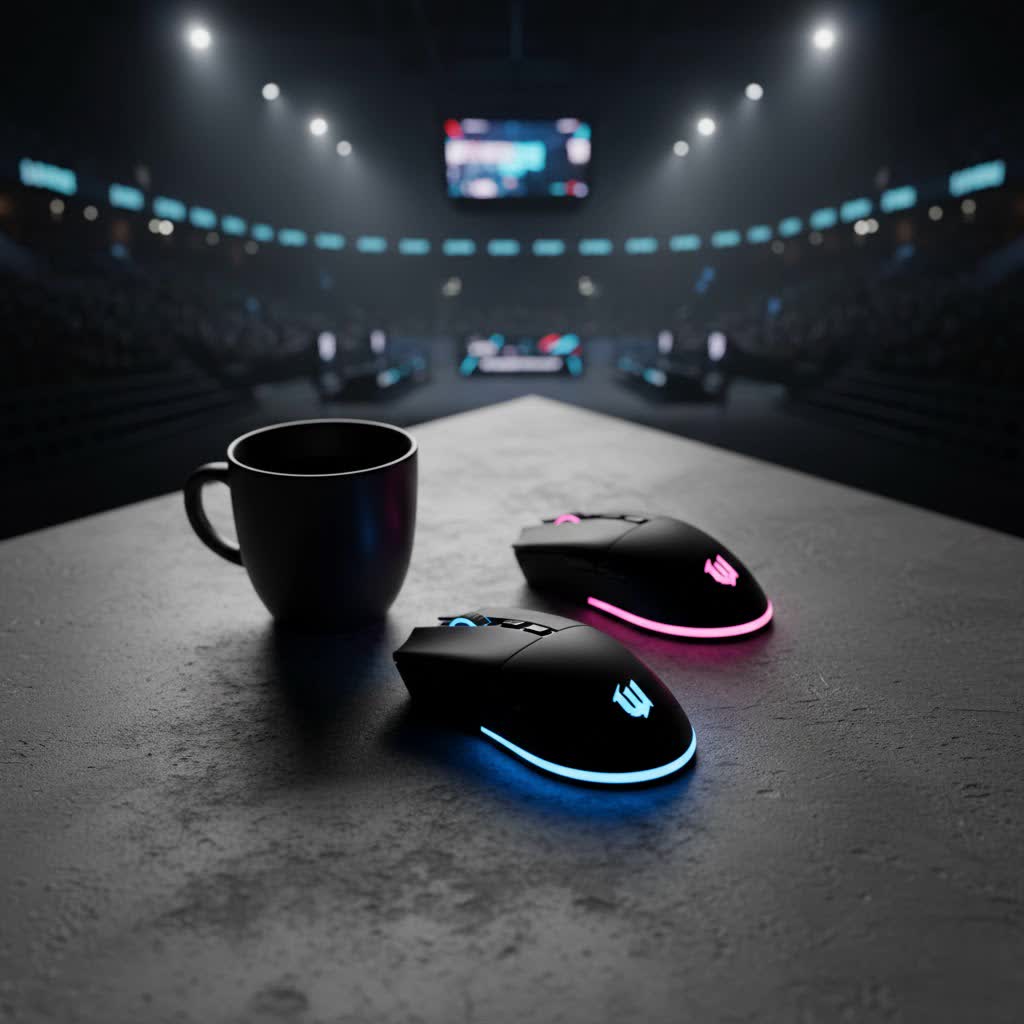
What Defines a Pro Gaming Mouse? Why It Matters for Competitive Play
|
Our Picks for the Best Gaming Mouse in 2026
As an Amazon Associate I earn from qualifying purchases.
|
||
| Num | Product | Action |
|---|---|---|
| 1 | Logitech G502 Hero High Performance Wired Gaming Mouse, Hero 25K Sensor, 25,600 DPI, RGB, Adjustable Weights, 11 Buttons, On-Board Memory, PC/Mac |

|
| 2 | Razer Basilisk V3 X HyperSpeed Customizable Wireless Gaming Mouse: Mechanical Switches Gen-2-5G Advanced 18K Optical Sensor - Chroma RGB 9 Programmable Controls 535 Hr Battery Classic Black |
|
| 3 | MechLands AJAZZ AJ139P V3 MC Wireless Mouse with Charging Base, 3 Modes Gaming Mouse with 800mAh Battery, Adjustable 24,000 DPI, PAW3311 Sensor, 1000 Polling Rate, 69g Lightweight, Win/Mac (Black) |
|
| 4 | Razer Basilisk V3 Customizable Ergonomic Gaming Mouse: Fastest Gaming Mouse Switch - Chroma RGB Lighting - 26K DPI Optical Sensor - 11 Programmable Buttons - HyperScroll Tilt Wheel - Classic Black |
|
| 5 | Logitech G305 Lightspeed Wireless Gaming Mouse, Hero 12K Sensor, 12,000 DPI, Lightweight, 6 Programmable Buttons, 250h Battery Life, On-Board Memory, PC/Mac - Black |
|
| 6 | MAMBASNAKE ATTACKSHARK V8 Wireless Ultralight Gaming Mouse with 8K Polling,42000 DPI,Nordic54L15 MCU Chip,PAW3950 Max Sensor-Wired/BT/2.4Ghz,400Hrs Long Battery,Programmable for PC Mac FPS(White+Tape) |
|
| 7 | Razer DeathAdder Essential Gaming Mouse: 6400 DPI Optical Sensor - 5 Programmable Buttons - Mechanical Switches - Rubber Side Grips - Classic Black |
|
| 8 | Redragon M612 Predator RGB Gaming Mouse, 8000 DPI Wired Optical Mouse with 11 Programmable Buttons & 5 Backlit Modes, Software Supports DIY Keybinds Rapid Fire Button |
|
| 9 | Razer Viper V3 Pro Wireless Esports Gaming Mouse: Symmetrical - 54g Lightweight - 8K Polling - 35K DPI Optical Sensor - Gen3 Optical Switches - 8 Programmable Buttons - 95 Hr Battery - Black |
|
| 10 | Logitech G PRO X Superlight Wireless Gaming Mouse, Ultra-Lightweight, Hero 25K Sensor, 25,600 DPI, 5 Programmable Buttons, Long Battery Life, Compatible with PC/Mac - Black |
|
A pro gaming mouse is engineered with a singular purpose: to deliver an uncompromising competitive edge. Unlike standard office mice, these specialized devices are built from the ground up with advanced sensors, ultra-responsive switches, and ergonomic designs that cater to the demanding needs of esports athletes. This distinction is crucial because in competitive play, the smallest advantage can dictate victory or defeat.
The importance of a pro gaming mouse lies in its ability to enhance several critical aspects of your gameplay. It offers superior accuracy, minimizing input lag to ensure your movements are registered instantaneously. Enhanced tracking allows for consistent performance across various surfaces and speeds, while robust durability ensures the mouse can withstand countless hours of intense use. Ultimately, a professional-grade mouse translates into improved reaction times, pinpoint precision, and a more consistent, comfortable experience that reduces fatigue during extended gaming sessions.
Understanding the Types of Pro Gaming Mice
Pro gaming mice come in various forms, each designed to cater to different preferences and playstyles. Understanding these classifications is the first step in finding your ideal companion.
By Design and Shape:
- Ergonomic Mice: These are typically contoured for right-handed users, providing maximum comfort for a natural palm grip. They are designed to support the entire hand, making them ideal for long gaming sessions where comfort is paramount. Examples often include models like the Razer DeathAdder series.
- Ambidextrous/Symmetrical Mice: Featuring a symmetrical design, these mice are suitable for both left and right-handed users. Their versatile shape often appeals to claw and fingertip grip users who prioritize quick, agile movements. The Logitech G Pro X Superlight and Razer Viper series are prime examples of this design.
- Vertical Mice: While less common in competitive gaming due to their unique, hand-shake grip, vertical mice are designed to promote a more neutral wrist posture. They are typically chosen for ergonomic benefits rather than raw competitive performance.
By Connectivity:
- Wired Mice: Traditionally favored for their perceived zero latency and reliable, consistent connection, wired mice offer a direct link to your PC. They often come with flexible paracord cables to minimize drag and ensure unrestricted movement.
- Wireless Mice: Modern wireless gaming mice have significantly closed the gap with their wired counterparts, offering near-wired performance with advanced 2.4GHz wireless technologies (e.g., Razer HyperSpeed, Logitech LIGHTSPEED). These offer unparalleled freedom of movement, a major advantage for dynamic gameplay. Battery life is a key consideration, as is the presence of a dedicated USB dongle for optimal performance. Bluetooth connectivity, while convenient, typically has higher latency and is less suitable for competitive gaming.
By Sensor Technology:
- Optical Sensors: The gold standard for gaming, optical sensors use an LED light to track movement. They provide highly precise and consistent tracking on a wide range of surfaces, often with advanced features like high maximum tracking speed (IPS) and acceleration ratings. Many top-tier pro gaming mice feature custom-developed optical sensors like Razer’s Focus Pro or Logitech’s HERO.
- Laser Sensors: Once a popular choice, laser sensors use a laser diode for tracking. While they can track on more challenging surfaces like glass, optical sensors have generally surpassed them in raw gaming performance due to superior tracking consistency and lower inherent prediction or acceleration.
Key Factors When Choosing a Pro Gaming Mouse
Selecting the right pro gaming mouse involves a deep dive into several critical specifications and personal preferences. Each element plays a vital role in how the mouse performs and feels in your hand.
Sensor Performance (The Brain of the Mouse):
The sensor is arguably the most crucial component of any gaming mouse, directly impacting accuracy and responsiveness.
- DPI (Dots Per Inch) / CPI (Counts Per Inch): This measures how many pixels your cursor moves per inch of mouse movement. While high DPI numbers (e.g., 35,000 DPI) are often advertised, most professional gamers use much lower settings (typically 400-1600 DPI) for greater precision. The ability to adjust DPI quickly on the fly is more important than the maximum value.
- IPS (Inches Per Second): This indicates the maximum speed at which the sensor can track accurately before losing consistency. Higher IPS ratings are essential for players who make rapid, sweeping movements.
- Acceleration (G-force): This measures how well the sensor handles sudden, aggressive movements without faltering. Pro-grade sensors are designed to minimize unwanted acceleration, ensuring predictable tracking.
- Polling Rate (Hz): This dictates how often the mouse reports its position to your computer. A 1000Hz polling rate (1 report per millisecond) is standard for gaming, providing minimal input lag. Some cutting-edge mice now offer 8000Hz (8 reports per millisecond) for an even lower latency, though the perceivable difference may vary for most users.
Ergonomics and Grip Style (The Perfect Fit):
Comfort is paramount for prolonged gaming sessions. A mouse that perfectly fits your hand and grip style reduces fatigue and enhances control.
- Hand Size: Measuring your hand can help you find a mouse that’s appropriately sized. A general guideline suggests a mouse length around 60% of your hand’s length from the tip of your middle finger to your wrist.
- Grip Styles:
- Palm Grip: Your entire palm rests on the mouse, with fingers flat. This grip benefits from larger, ergonomically shaped mice that provide ample support.
- Claw Grip: Your palm is arched, with only the base of your palm and fingertips making contact. This style thrives with medium-sized mice that allow for quick, controlled micro-adjustments.
- Fingertip Grip: Only your fingertips touch the mouse, allowing for maximum agility and minimal wrist movement. Lightweight, smaller mice are usually preferred for this grip.
- Shape: The contours, curves, and button height of a mouse significantly influence comfort and control. Experimenting with different shapes is crucial to find what feels most natural for your unique hand and grip.
Weight (The Agility Factor):
The weight of a gaming mouse directly impacts how quickly and effortlessly you can move it.
- Ultralight Mice (under 60g): Increasingly popular, especially for fast-paced FPS games, these mice (e.g., Razer Viper V3 Pro SE at 54g) enable swift, precise flicks with minimal effort.
- Lightweight Mice (60-80g): Offer a balanced feel suitable for most gaming genres, providing a good blend of speed and control.
- Adjustable Weight Systems: While some mice offer removable weights for customization, many competitive models prioritize a fixed, ultralight design to achieve the lowest possible weight.
Buttons and Customization (The Control Panel):
Programmable buttons and robust software enhance a mouse’s versatility.
- Programmable Buttons: Beyond the standard left, right, and scroll click, many gaming mice feature additional buttons (often on the thumb side) that can be programmed for macros, in-game actions, or shortcuts. While complex macros might be restricted in professional tournaments, remapping buttons for quick access is invaluable.
- Switches: The mechanical components under the buttons (e.g., Omron, Kailh, Razer Optical, Logitech LIGHTFORCE) determine the click feel, actuation speed, and durability. Optical switches, for instance, offer faster actuation and eliminate debounce delay, a common issue with traditional mechanical switches. Durability is measured in “click lifecycle” (e.g., 90 million clicks).
- Software: Companion software allows you to fine-tune DPI settings, customize RGB lighting (if present), program macros, and create different profiles for various games.
Build Quality and Durability:
A pro gaming mouse must withstand thousands of hours of rigorous use. Look for robust materials, high-quality plastics, and durable components. For wired mice, a flexible, braided or paracord cable helps prevent snagging and extends the cable’s life. PTFE (Teflon) feet are essential for a smooth, low-friction glide across your mousepad.
Battery Life (for Wireless Mice):
For wireless models, a long battery life is crucial to avoid interruptions during crucial matches. Many top-tier wireless mice offer dozens, if not hundreds, of hours of gameplay on a single charge.
RGB Lighting:
While aesthetically pleasing and customizable, RGB lighting is often minimized or omitted in ultralight pro gaming mice to save weight and battery life. For some, it’s a non-factor, while for others, it adds to the immersive gaming experience.
Top Brands and Their Pro Gaming Offerings
The pro gaming mouse market is dominated by a few key players known for their innovation and quality:
- Logitech: Renowned for its reliability and industry-leading wireless technology (LIGHTSPEED), Logitech offers popular models like the Logitech G Pro X Superlight 2. This ultralight ambidextrous mouse features the HERO 25K sensor, LIGHTFORCE Hybrid switches, and an 8000Hz polling rate, making it a favorite among esports professionals.
- Razer: A pioneer in gaming peripherals, Razer consistently delivers cutting-edge sensors and ultralight designs. The Razer Viper V3 Pro boasts the Focus Pro 35K Optical Sensor Gen-2, 8000Hz polling, and an incredibly light 54g ambidextrous design. The Razer DeathAdder V3 Pro provides similar top-tier sensor performance in a comfortable ergonomic shape, weighing just 63g.
- SteelSeries: Known for robust build quality and intuitive software, SteelSeries offers a range of high-performance gaming mice that cater to various grip styles.
- Corsair: Corsair provides a diverse lineup, including models like the Corsair Katar Pro XT, which offers competitive features at a more accessible price point, making pro-level performance attainable for budget-conscious gamers.
- Asus ROG: The Asus ROG Harpe Ace Mini is an example of an emerging competitor, offering a lightweight, compact design with an 8000Hz polling rate, often favored by players who prefer a claw grip.
Choosing Your Pro Gaming Mouse by Budget
Pro gaming mice span a wide price spectrum, but you can find excellent options across different budget tiers:
- Entry-Level Pro (Under $70-80): This segment offers mice with solid gaming sensors, durable builds, and essential features. You might find wired options or reliable wireless mice with slightly lower max DPI or polling rates than premium models. The Logitech G305 Lightspeed or Corsair Katar Pro XT are good examples of performance within this range.
- Mid-Range Pro ($80-$150): This sweet spot provides an excellent balance of features, performance, and build quality. You’ll often find advanced wireless connectivity, customizable buttons, and highly responsive sensors without the absolute top-tier price tag.
- High-End Pro (Above $150): At this level, you get the absolute best in class: cutting-edge sensors with extreme IPS and acceleration, ultralight designs, 8000Hz polling rates, premium optical switches, and superior battery life in wireless models. These are often the same mice used by professional esports players, such as the Logitech G Pro X Superlight 2 or Razer Viper V3 Pro.
Top Pro Gaming Mice Currently on the Market
Based on professional usage and critical acclaim, several mice consistently stand out:
- Razer Viper V3 Pro: An ultralight (54g) ambidextrous wireless mouse celebrated for its Focus Pro 35K Optical Sensor Gen-2 and 8000Hz polling rate. It’s built for raw speed and precision.
- Logitech G Pro X Superlight 2: Weighing in at 59g, this ambidextrous wireless mouse is a favorite for its reliable HERO 25K sensor and LIGHTFORCE Hybrid switches, offering exceptional performance and battery life.
- Razer DeathAdder V3 Pro: For those who prefer an ergonomic shape, the DeathAdder V3 Pro (63g) delivers top-tier performance with its Focus Pro 30K Optical sensor, providing comfort without sacrificing speed or accuracy.
- Asus ROG Harpe Ace Mini: A lightweight option (under 60g) that excels for claw grip users, featuring an 8000Hz polling rate for ultra-responsive gameplay.
Tips for Optimizing and Maintaining Your Pro Gaming Mouse
Even the best pro gaming mouse can underperform without proper setup and care.
- Mousepad Choice: A high-quality gaming mousepad is essential. Different surfaces (control vs. speed) can significantly impact tracking and glide. Experiment to find what complements your mouse and playstyle.
- In-Game Sensitivity: Adjust your in-game sensitivity (e.g., in FPS titles) in conjunction with your mouse’s DPI. Most pros use lower DPI and lower in-game sensitivity for precise aiming.
- Driver and Firmware Updates: Regularly check for and install the latest drivers and firmware for your mouse. Manufacturers often release updates that improve performance, fix bugs, or add new features.
- Regular Cleaning: Dust, sweat, and debris can accumulate in and around your mouse’s sensor and glide feet, affecting performance. Use a microfiber cloth and compressed air for routine cleaning.
- Glide Feet Replacement: The PTFE feet on the bottom of your mouse will eventually wear down. Replacing them ensures a consistently smooth glide.
- Adaptation Period: When switching to a new mouse, especially one with a different shape or weight, give yourself 2-3 weeks to fully adapt. Your hand and muscle memory need time to adjust to the new feel and dimensions.
Conclusion
Choosing a pro gaming mouse is a deeply personal endeavor, akin to a craftsman selecting their most vital tool. It’s about finding a device that merges seamlessly with your hand, responds to your every command with unwavering precision, and ultimately, elevates your game. Focus on key factors like sensor performance, ergonomic fit, weight, and switch quality. While top-tier models from brands like Razer and Logitech often set the benchmark, excellent performance can be found across various price points. By understanding your own needs and the technological advancements available, you can confidently select a gaming mouse that not only meets but exceeds the demands of competitive play. The perfect pro gaming mouse isn’t just a purchase; it’s an investment in your competitive journey.
What specific aspect of your gaming setup do you believe gives you the most significant competitive advantage, and how does your mouse play a role in that?
Frequently Asked Questions
Is a high DPI always better for gaming?
No, a higher DPI is not always better. While modern gaming mice offer very high DPI settings, most professional players use lower DPI settings (typically 400-1600 DPI) combined with lower in-game sensitivity for greater precision and control, especially in genres like first-person shooters. The ability to adjust DPI is important, but personal preference and game type dictate the optimal setting.
Should I choose a wired or wireless mouse for professional gaming?
Modern wireless gaming mice, utilizing advanced 2.4GHz technologies like Razer HyperSpeed or Logitech LIGHTSPEED, offer near-wired levels of performance with imperceptible latency. Many professional players now prefer wireless for the freedom of movement it provides. While wired mice still guarantee consistent latency and never need charging, the performance gap is negligible for competitive play, making wireless a viable, often preferred, option.
What polling rate should I look for in a pro gaming mouse?
A polling rate of 1000Hz (1 report per millisecond) has long been the standard for gaming, ensuring minimal input lag. For the most competitive edge, some newer pro gaming mice now offer 8000Hz polling rates (8 reports per millisecond), theoretically reducing latency even further. While 1000Hz is more than sufficient for most, 8000Hz can provide a marginal advantage for elite players with high refresh rate monitors.
How important is mouse weight for competitive gaming?
Mouse weight is very important, especially for fast-paced, aiming-intensive games like FPS titles. Lighter mice (under 80g, with ultralight models under 60g) allow for quicker, less fatiguing movements and more agile flick shots. While personal preference plays a role, a lighter mouse generally reduces inertia, making it easier to start, stop, and change direction with precision.
What’s the best grip style for pro gaming?
There isn’t one “best” grip style for pro gaming; rather, it depends on individual comfort and what works best for your hand size and game type. The three main grip styles are palm, claw, and fingertip. Each offers different advantages in terms of control and agility. The most effective grip is the one that allows you to comfortably maintain precision and speed for extended periods.
