Are you tired of tangled cables restricting your movements in the heat of battle? The world of gaming demands precision, speed, and unhindered freedom, and nowhere is this more critical than with your gaming mouse. For years, professional gamers swore by wired mice, fearing input lag and unreliable connections. However, advancements in wireless technology have transformed the landscape, making the Top Wireless Gaming Mouse a formidable, cable-free contender that rivals—and often surpasses—its wired counterparts in performance. This comprehensive guide will navigate you through the cutting-edge features, essential considerations, and best models to help you find the perfect wireless companion for your virtual adventures.
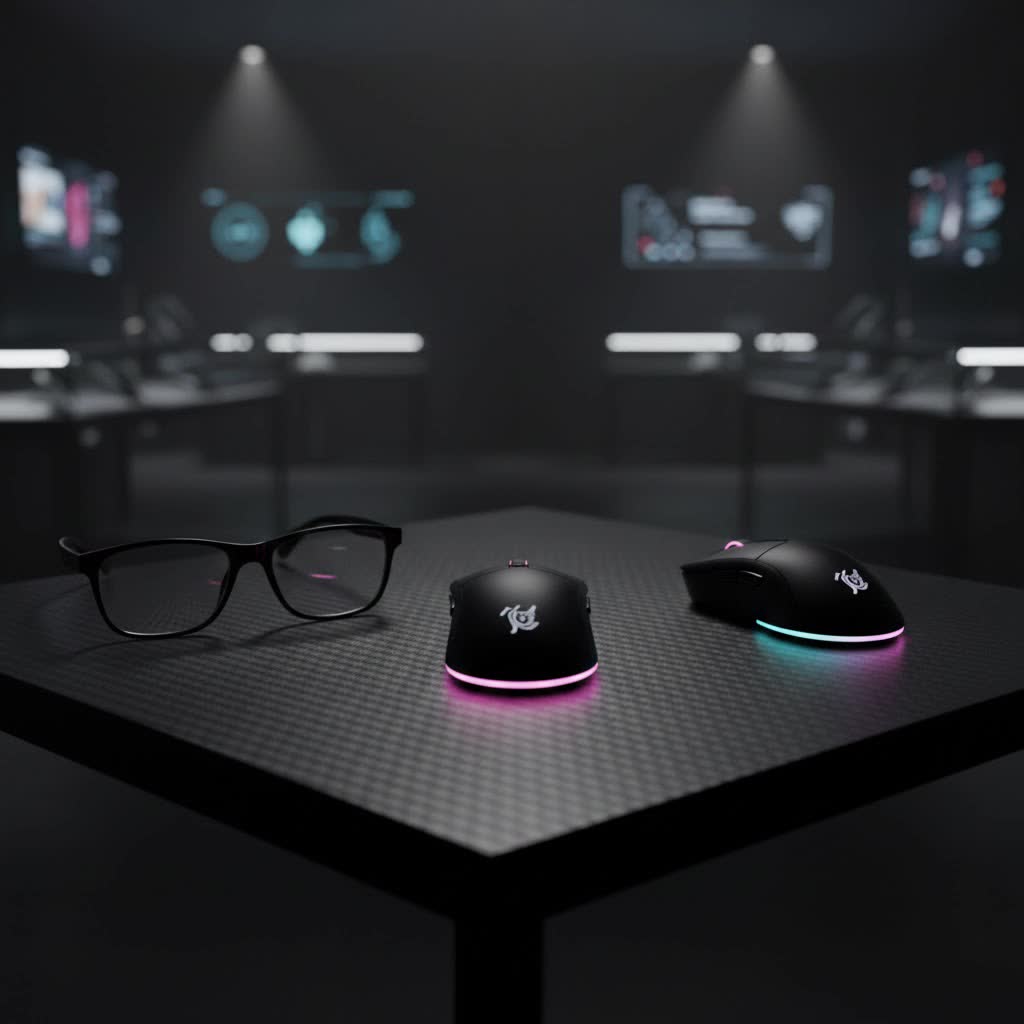
Wireless Gaming Mice: Overview and Why They Matter
What is a Wireless Gaming Mouse? Why Are They Important?
|
Our Picks for the Best Gaming Mouse in 2026
As an Amazon Associate I earn from qualifying purchases.
|
||
| Num | Product | Action |
|---|---|---|
| 1 | Razer DeathAdder Essential Gaming Mouse: 6400 DPI Optical Sensor - 5 Programmable Buttons - Mechanical Switches - Rubber Side Grips - Classic Black |

|
| 2 | Logitech G305 Lightspeed Wireless Gaming Mouse, Hero 12K Sensor, 12,000 DPI, Lightweight, 6 Programmable Buttons, 250h Battery Life, On-Board Memory, PC/Mac - Black |
|
| 3 | Redragon M612 Predator RGB Gaming Mouse, 8000 DPI Wired Optical Mouse with 11 Programmable Buttons & 5 Backlit Modes, Software Supports DIY Keybinds Rapid Fire Button |
|
| 4 | Razer Basilisk V3 X HyperSpeed Customizable Wireless Gaming Mouse: Mechanical Switches Gen-2-5G Advanced 18K Optical Sensor - Chroma RGB 9 Programmable Controls 535 Hr Battery Classic Black |
|
| 5 | Razer Viper V3 Pro Wireless Esports Gaming Mouse: Symmetrical - 54g Lightweight - 8K Polling - 35K DPI Optical Sensor - Gen3 Optical Switches - 8 Programmable Buttons - 95 Hr Battery - Black |
|
| 6 | Razer Basilisk V3 Customizable Ergonomic Gaming Mouse: Fastest Gaming Mouse Switch - Chroma RGB Lighting - 26K DPI Optical Sensor - 11 Programmable Buttons - HyperScroll Tilt Wheel - Classic Black |
|
| 7 | MechLands AJAZZ AJ139P V3 MC Wireless Mouse with Charging Base, 3 Modes Gaming Mouse with 800mAh Battery, Adjustable 24,000 DPI, PAW3311 Sensor, 1000 Polling Rate, 69g Lightweight, Win/Mac (Black) |
|
| 8 | Logitech G502 Hero High Performance Wired Gaming Mouse, Hero 25K Sensor, 25,600 DPI, RGB, Adjustable Weights, 11 Buttons, On-Board Memory, PC/Mac |
|
| 9 | MAMBASNAKE ATTACKSHARK V8 Wireless Ultralight Gaming Mouse with 8K Polling,42000 DPI,Nordic54L15 MCU Chip,PAW3950 Max Sensor-Wired/BT/2.4Ghz,400Hrs Long Battery,Programmable for PC Mac FPS(White+Tape) |
|
| 10 | Logitech G PRO X Superlight Wireless Gaming Mouse, Ultra-Lightweight, Hero 25K Sensor, 25,600 DPI, 5 Programmable Buttons, Long Battery Life, Compatible with PC/Mac - Black |
|
A wireless gaming mouse is a computer peripheral specifically designed for gaming, utilizing radio frequency (RF) or Bluetooth technology to connect to a computer without a physical cable. Unlike standard office mice, gaming mice feature high-precision sensors, robust build quality, and customizable buttons tailored for the demanding environment of competitive gaming. Their importance stems from offering unparalleled freedom of movement, eliminating cable drag that can hinder quick flicks and broad sweeps. This translates to a cleaner desktop setup and a seamless, untethered gaming experience, crucial for both casual players and esports professionals who value every millisecond of responsiveness.
Popular Types of Wireless Gaming Mice
The market offers a diverse range of wireless gaming mice, each catering to different preferences and playstyles. Understanding these categories is the first step toward finding your ideal match.
By Design
- Ergonomic: These mice are contoured to fit the natural curve of the right or left hand, providing maximum comfort for long gaming sessions. They are designed to support a specific grip style, often the palm grip, and minimize strain.
- Ambidextrous: Featuring a symmetrical design, ambidextrous mice can be comfortably used by both left and right-handed gamers. While versatile, they may not offer the specialized comfort of an ergonomic design for a single hand.
- Vertical: A less common but growing category, vertical mice orient the hand in a “handshake” position, reducing wrist pronation and offering a unique ergonomic benefit, though they may require an adjustment period for gaming.
By Connectivity
- 2.4GHz Wireless (via USB Dongle): This is the gold standard for wireless gaming. Manufacturers use proprietary low-latency protocols (like Logitech’s LIGHTSPEED or Razer’s HyperSpeed) to achieve response times virtually indistinguishable from wired connections. A small USB dongle is required to establish this connection.
- Bluetooth: While convenient for general use and connecting to multiple devices without a dongle, Bluetooth typically has higher latency and is less stable than 2.4GHz wireless for competitive gaming. It’s often included as a secondary connectivity option for power saving or casual use.
By Sensor
- Optical: The most prevalent sensor type in modern gaming mice, optical sensors use an LED light to track movement across surfaces. They are known for high precision, excellent tracking speed (IPS), and generally perform well on various mousepad surfaces.
- Laser: Less common for high-end gaming mice now, laser sensors typically offer higher DPI values but can sometimes suffer from “acceleration” or inconsistent tracking on certain surfaces. Most professional gamers prefer optical sensors for their raw, predictable performance.
Detailed Comparison of Wireless Gaming Mouse Types
Choosing between types often comes down to a balance of factors. Here’s a brief comparison to highlight their key differences:
| Feature | 2.4GHz Wireless Gaming Mouse | Bluetooth Wireless Gaming Mouse |
|---|---|---|
| Precision | Excellent (near-wired performance) | Good (suitable for casual gaming) |
| Latency | Ultra-low (1ms or less) | Higher (5-20ms, noticeable for pro) |
| Comfort | Varies by design (Ergonomic/Ambi) | Varies by design |
| Price | Generally higher | Generally lower |
| Stability | Highly stable | Can be prone to interference |
| Dongle | Required | Not required |
“The leap in wireless technology means gamers no longer compromise on performance for freedom. Modern 2.4GHz solutions offer a virtually lag-free experience, a game-changer for competitive play.” – Admin, reviewmyfrq.com
Key Factors to Consider When Choosing a Wireless Gaming Mouse
Selecting the best wireless gaming mouse involves more than just picking a popular brand. You need to consider several technical and ergonomic aspects to ensure it perfectly complements your gaming style.
Sensor (DPI/CPI, IPS, Acceleration)
The heart of any gaming mouse is its sensor.
- DPI (Dots Per Inch) / CPI (Counts Per Inch): This measures how many pixels the cursor moves per inch of mouse movement. A higher DPI means greater sensitivity. While some mice boast extremely high DPI, most professional gamers use much lower settings (400-1600 DPI) for fine control, adjusting in-game sensitivity instead.
- IPS (Inches Per Second): This indicates the maximum speed at which the mouse can be moved while maintaining accurate tracking. High IPS is crucial for gamers who make fast, sweeping movements without losing tracking.
- Acceleration: This feature causes the cursor to move further when the mouse is moved quickly than when moved slowly over the same physical distance. Most competitive gamers prefer to disable mouse acceleration for consistent, predictable aiming.
Design and Size
The physical design of the mouse and how it fits your hand significantly impacts comfort and performance.
- Hand Size: Measure your hand to find a mouse that fits well. A mouse too large or too small can lead to discomfort and reduced control.
- Grip Styles:
- Palm Grip: The entire palm rests on the mouse, with fingers flat. This grip suits larger, more contoured ergonomic mice for stability.
- Claw Grip: The palm rests on the back of the mouse, with fingers arched like a claw. This grip benefits from medium-sized mice that offer good hump support and allow for precise finger movements.
- Fingertip Grip: Only the fingertips touch the mouse, with the palm not making contact. Lightweight, smaller mice with ambidextrous designs are often preferred for this grip, allowing for maximum agility.
Buttons and Customization
Beyond the standard left, right, and scroll wheel, gaming mice offer additional features.
- Programmable Buttons: Many wireless gaming mice include extra buttons (side buttons, DPI shift buttons, scroll wheel tilts) that can be programmed with macros or specific in-game actions via software.
- Software Customization: Reputable brands provide dedicated software (e.g., Razer Synapse, Logitech G Hub, SteelSeries GG) to adjust DPI stages, polling rates, reassign buttons, create macros, and customize RGB lighting.
Durability and Quality
A gaming mouse endures countless clicks and intense movements, so build quality is paramount.
- Materials: Look for high-quality plastics that offer a good grip and resistance to wear.
- Switch Types: The switches under the main click buttons are critical. Omron switches are common, known for tactile feedback and durability. Newer optical switches (from Razer and others) offer faster actuation and longer lifespan by eliminating physical contact.
- Lifespan: Manufacturers rate switches by millions of clicks (e.g., 50 million, 70 million, 90 million). A higher rating indicates greater longevity.
Weight
Mouse weight is a highly personal preference, impacting agility and stability.
- Lightweight (under 80g): Favored by competitive FPS players for quick, flick-shot aiming, reducing fatigue during long sessions. Often achieved through perforated shells or minimalist designs.
- Heavier (over 100g): Some gamers prefer heavier mice for a more planted feel and greater stability, particularly for strategy games or those who prefer a steadier aim. Some mice include adjustable weights.
Connectivity
For wireless, understanding the nuances of connection stability and speed is vital.
- Latency: Modern 2.4GHz wireless technologies have reduced latency to negligible levels, often matching or even surpassing wired connections in real-world performance tests. Bluetooth, however, still carries a higher latency risk.
- Polling Rate: This is how often the mouse reports its position to the computer (e.g., 1000Hz means 1000 updates per second). Standard is 1000Hz, but some high-end mice now offer 4000Hz or even 8000Hz, providing even smoother and more responsive tracking, though demanding more CPU resources.
- Battery Life: Given the wireless nature, battery longevity is crucial. High-end mice offer impressive battery life, ranging from tens to hundreds of hours on a single charge, often with power-saving modes. Rechargeable batteries (via USB-C) are common, while some budget options still use replaceable AA/AAA batteries. Magnetic charging docks or Qi wireless charging compatibility are premium features.
RGB LED
While largely aesthetic, RGB lighting can add flair to your setup.
- Customization: Most gaming mice offer customizable RGB zones through software, allowing for personalized colors and effects.
- Battery Impact: Be aware that vibrant RGB lighting consumes more power, potentially reducing battery life. Many mice allow you to turn off or dim RGB for extended usage.
Top Wireless Gaming Mouse Brands Comparison Table
The market is dominated by a few key players renowned for their innovation and quality. Here’s a comparison of some leading brands:
| Brand | Quality & Innovation | Durability & Build | Key Features & Ecosystem | Price Range |
|---|---|---|---|---|
| Logitech | High-precision sensors (HERO), Lightspeed wireless, ergonomic designs | Excellent, reliable switches | G Hub software, PowerPlay wireless charging | Mid-High |
| Razer | Cutting-edge optical sensors (Focus Pro), HyperSpeed wireless, optical switches | Very good, though past models had some QC issues | Synapse software, extensive RGB, diverse models for all genres | Mid-High |
| SteelSeries | TrueMove sensors, Quantum 2.0 Wireless, innovative lightweight designs | Solid, known for robust construction | GG software, customizable OLED screens on some models | Mid-High |
| Corsair | Slipstream Wireless, durable Omron switches | Good, often with premium materials | iCUE software, extensive RGB, often feature-rich | Mid-Range |
Choosing a Wireless Gaming Mouse by Budget
Your budget will significantly influence your options, but excellent wireless gaming mice are available at every price point.
Budget Segment (Under $50)
At this entry-level, you can find solid performers that offer a taste of wireless gaming freedom.
- Options: Logitech G305 LIGHTSPEED, Corsair Harpoon RGB Wireless, SteelSeries Rival 3 Wireless, Redragon M686 Vampire Elite. These mice prioritize core performance over premium features, often featuring reliable optical sensors and decent battery life.
- Pros: Affordable entry into wireless gaming, no cable drag, often good battery life.
- Cons: Fewer programmable buttons, less advanced sensors, potentially heavier, basic RGB or no RGB.
Mid-Range Segment ($50 – $150)
This segment offers a sweet spot between performance and value, incorporating more advanced features.
- Options: Logitech G502 X LIGHTSPEED / G502 X PLUS, Razer Basilisk V3 X HyperSpeed, SteelSeries Aerox 9 Wireless, Lamzu Thorn Wireless. You’ll see better sensors, more comfortable ergonomics, and enhanced customization.
- Pros: Excellent performance, improved ergonomics, more programmable buttons, longer battery life, often dual connectivity (2.4GHz + Bluetooth).
- Cons: Still may lack the absolute lightest weight or highest polling rates of premium models.
High-End Segment (Above $150)
These are the cream of the crop, designed for esports professionals and enthusiasts who demand the absolute best without compromise.
- Options: Razer Viper V3 Pro, Logitech G Pro X Superlight 2, Razer Basilisk V3 Pro, Razer DeathAdder V3 Pro. Expect ultra-light designs, top-tier sensors, 8000Hz polling rates, optical switches, and premium build quality.
- Pros: Unrivaled performance, ultra-lightweight, industry-leading sensors and switches, exceptional battery life, advanced customization, often includes magnetic charging or Qi compatibility.
- Cons: Very expensive, some features (like 8000Hz polling) might require separate dongle purchases or additional system resources.
Top Wireless Gaming Mice Currently Popular
Here are a few standout wireless gaming mice that consistently earn high praise:
- Razer Viper V3 Pro: Widely considered one of the best overall wireless gaming mice, the Viper V3 Pro boasts an incredibly lightweight design (often under 60g), Razer’s high-precision Focus Pro 35K optical sensor, and supports up to an 8000Hz wireless polling rate. Its minimalist, symmetrical shape caters to a wide range of grip styles, making it a favorite for competitive FPS players.
- Logitech G Pro X Superlight 2: A direct competitor to Razer’s top offerings, the G Pro X Superlight 2 is known for its iconic, comfortable shape, extremely light build, and Logitech’s HERO 2 sensor with optical switches. It’s a reliable choice for professional gamers who value consistent performance and long battery life.
- Razer Basilisk V3 Pro: For those who prefer a more ergonomic, feature-rich mouse, the Basilisk V3 Pro is a powerhouse. It combines Razer’s cutting-edge sensor and optical switches with a comfortable right-handed design, 10+1 programmable buttons, a smart scroll wheel (free-spin and tactile modes), and magnetic wireless charging capabilities.
Tips for Using and Maintaining Your Wireless Gaming Mouse
To ensure your wireless gaming mouse performs optimally and lasts for years, proper care is essential:
- Clean Your Mouse Regularly: Dust, dirt, and skin oils can accumulate on the sensor, mouse feet, and button crevices. Use a soft cloth, cotton swabs, and compressed air to keep it clean.
- Use a Quality Mousepad: A good gaming mousepad provides a consistent surface for accurate tracking and reduces wear on the mouse feet. Different surfaces (control vs. speed) can also impact your aiming style.
- Keep Drivers and Firmware Updated: Manufacturers frequently release software and firmware updates that improve performance, fix bugs, and enhance compatibility. Always keep your mouse’s software up to date.
- Optimize Receiver Placement: For 2.4GHz wireless mice, place the USB dongle as close as possible to the mouse, ideally on your desk, to minimize interference and ensure the most stable connection.
Conclusion
The evolution of wireless gaming mice has truly revolutionized the gaming experience, offering the liberating freedom of movement without sacrificing an ounce of performance. With industry-leading brands constantly innovating, today’s top wireless gaming mouse models deliver ultra-low latency, exceptional precision, and remarkable battery life, putting them on par with, or even surpassing, their wired counterparts. By carefully considering factors like sensor technology, ergonomic design, button customization, and your specific grip style, you can confidently choose a wireless gaming mouse that perfectly aligns with your competitive needs and personal preferences.
Which wireless gaming mouse feature do you find most indispensable for your battles?
Frequently Asked Questions
Are wireless gaming mice as responsive as wired mice?
Modern high-end wireless gaming mice, utilizing proprietary 2.4GHz wireless technologies like Logitech’s LIGHTSPEED or Razer’s HyperSpeed, are virtually as responsive as wired mice. They achieve ultra-low latency, often 1ms or less, making the difference imperceptible for most gamers, even in competitive play.
What is polling rate and why is it important for a wireless gaming mouse?
Polling rate measures how often your mouse reports its position to your computer per second. A 1000Hz polling rate means 1000 reports per second. Higher polling rates (4000Hz or 8000Hz in premium models) can provide smoother and more precise cursor movements, especially noticeable on high refresh rate monitors, offering a slight edge in competitive scenarios.
How important is battery life for a wireless gaming mouse?
Battery life is crucial for uninterrupted gaming. Good wireless gaming mice offer tens to hundreds of hours on a single charge, minimizing the need for frequent recharging. Features like power-saving modes, dual connectivity (2.4GHz for gaming, Bluetooth for casual), and quick charging capabilities further enhance convenience.
Can I use a wireless gaming mouse with a USB-C cable?
Many modern wireless gaming mice come with a USB-C port, allowing you to charge the mouse and often use it in a wired mode simultaneously. This provides flexibility, ensuring you can continue gaming even if the battery runs low, while benefiting from the universal charging standard.
What is the difference between optical and laser sensors in gaming mice?
Optical sensors use an LED light to track movement and are generally preferred in gaming for their consistent, predictable tracking performance on various surfaces. Laser sensors, while capable of higher DPI, can sometimes introduce unwanted acceleration or feel less consistent, leading most competitive gamers to favor optical sensors.
