Dive into the vibrant world of RGB gaming mice, where cutting-edge technology meets personalized aesthetics to elevate your gaming experience. For any dedicated gamer, a mouse isn’t just a peripheral; it’s an extension of skill, a precision instrument that can make the difference between victory and defeat. And with the rise of customizable RGB lighting, these essential tools have become a statement piece, blending performance with unparalleled style. This comprehensive guide will illuminate why an RGB gaming mouse is a crucial upgrade, breaking down everything from essential features to top brands, ensuring you find the perfect glowing companion for your virtual battles.
What is a Gaming Mouse? Why Are They Important?
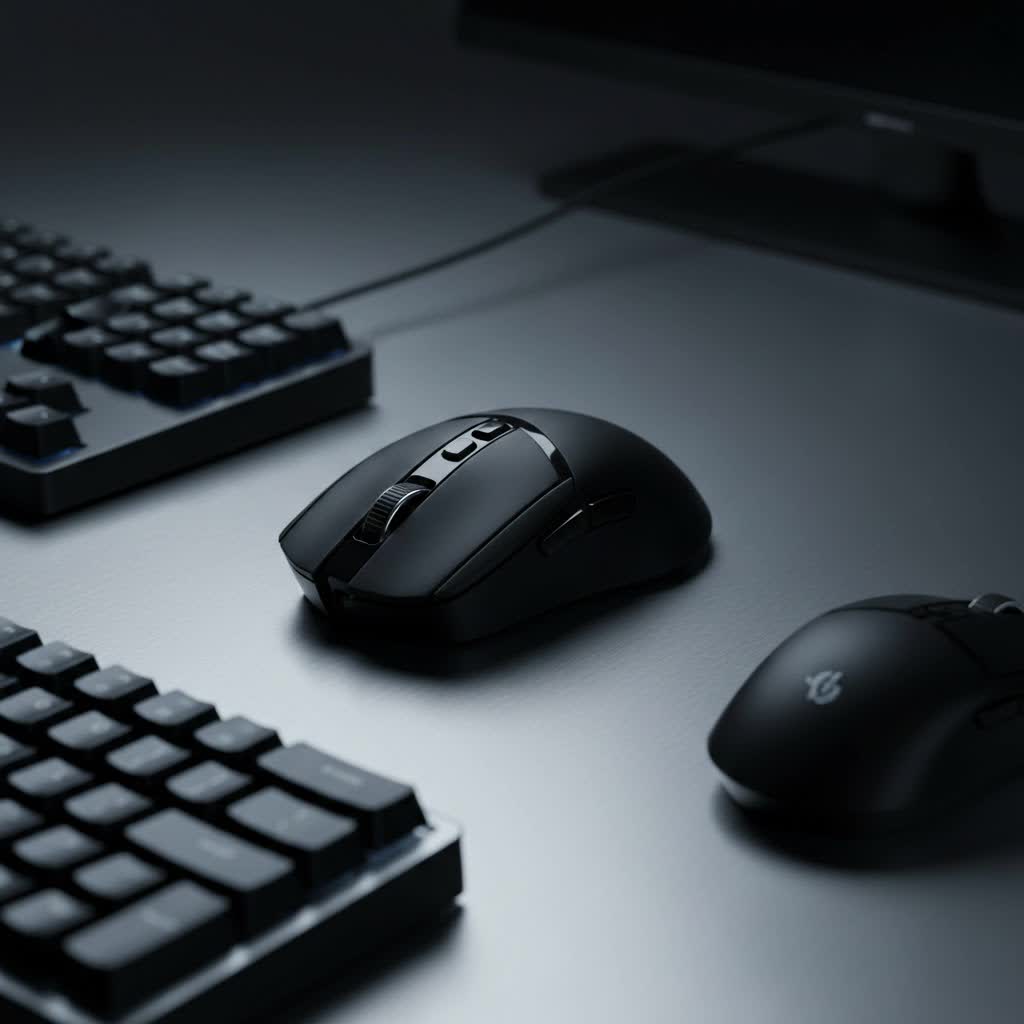
A gaming mouse is a specialized input device engineered for superior performance, precision, and comfort compared to standard office mice. Its advanced features, such as high-precision sensors, programmable buttons, and ergonomic designs, directly translate into improved responsiveness and control in fast-paced gaming environments. For serious gamers, these attributes are paramount, offering a competitive edge and enhancing overall immersion by providing the tactile feedback and speed required for intense gameplay.
The Allure of RGB Gaming Mice
|
Our Picks for the Best Gaming Mouse in 2026
As an Amazon Associate I earn from qualifying purchases.
|
||
| Num | Product | Action |
|---|---|---|
| 1 | Razer DeathAdder Essential Gaming Mouse: 6400 DPI Optical Sensor - 5 Programmable Buttons - Mechanical Switches - Rubber Side Grips - Classic Black |

|
| 2 | Logitech G PRO X Superlight Wireless Gaming Mouse, Ultra-Lightweight, Hero 25K Sensor, 25,600 DPI, 5 Programmable Buttons, Long Battery Life, Compatible with PC/Mac - Black |
|
| 3 | Logitech G305 Lightspeed Wireless Gaming Mouse, Hero 12K Sensor, 12,000 DPI, Lightweight, 6 Programmable Buttons, 250h Battery Life, On-Board Memory, PC/Mac - Black |
|
| 4 | Redragon M612 Predator RGB Gaming Mouse, 8000 DPI Wired Optical Mouse with 11 Programmable Buttons & 5 Backlit Modes, Software Supports DIY Keybinds Rapid Fire Button |
|
| 5 | Razer Viper V3 Pro Wireless Esports Gaming Mouse: Symmetrical - 54g Lightweight - 8K Polling - 35K DPI Optical Sensor - Gen3 Optical Switches - 8 Programmable Buttons - 95 Hr Battery - Black |
|
| 6 | Razer Basilisk V3 X HyperSpeed Customizable Wireless Gaming Mouse: Mechanical Switches Gen-2-5G Advanced 18K Optical Sensor - Chroma RGB 9 Programmable Controls 535 Hr Battery Classic Black |
|
| 7 | Razer Basilisk V3 Customizable Ergonomic Gaming Mouse: Fastest Gaming Mouse Switch - Chroma RGB Lighting - 26K DPI Optical Sensor - 11 Programmable Buttons - HyperScroll Tilt Wheel - Classic Black |
|
| 8 | MechLands AJAZZ AJ139P V3 MC Wireless Mouse with Charging Base, 3 Modes Gaming Mouse with 800mAh Battery, Adjustable 24,000 DPI, PAW3311 Sensor, 1000 Polling Rate, 69g Lightweight, Win/Mac (Black) |
|
| 9 | MAMBASNAKE ATTACKSHARK V8 Wireless Ultralight Gaming Mouse with 8K Polling,42000 DPI,Nordic54L15 MCU Chip,PAW3950 Max Sensor-Wired/BT/2.4Ghz,400Hrs Long Battery,Programmable for PC Mac FPS(White+Tape) |
|
| 10 | Logitech G502 Hero High Performance Wired Gaming Mouse, Hero 25K Sensor, 25,600 DPI, RGB, Adjustable Weights, 11 Buttons, On-Board Memory, PC/Mac |
|
An RGB gaming mouse takes the core functionality of a gaming mouse and infuses it with dynamic, customizable lighting. RGB, standing for Red, Green, and Blue, refers to the ability to display a vast spectrum of colors, typically millions, allowing users to personalize their device’s appearance. This isn’t merely for aesthetics; many RGB systems can sync with in-game actions, display critical information, or integrate with other RGB peripherals to create a cohesive and immersive battlestation ambiance.
Types of Gaming Mice
Gaming mice come in various forms, each catering to different preferences and playstyles. Understanding these categories is key to selecting the ideal RGB gaming mouse that complements your setup and maximizes your performance.
By Design
- Ergonomic Mice: Designed with comfort in mind, these mice are sculpted to fit the natural curve of the right or left hand, reducing strain during long gaming sessions. They often feature thumb rests and a sloping profile for a supportive grip.
- Ambidextrous Mice: Symmetrical in design, these mice can be used comfortably by both left-handed and right-handed gamers. While versatile, they may offer less specialized ergonomic support than dedicated ergonomic models.
- Vertical Mice: Less common in gaming but gaining traction for extreme comfort, vertical mice aim to maintain a neutral wrist and forearm position, similar to a handshake. They are primarily designed to prevent repetitive strain injuries.
By Connectivity
- Wired Mice: These mice connect directly to your PC via a USB cable, offering a consistent and lag-free connection. They don’t require batteries, ensuring uninterrupted gameplay, though the cable can sometimes limit movement or create drag.
- Wireless Mice: Utilizing either a 2.4 GHz USB dongle or Bluetooth, wireless gaming mice offer unparalleled freedom of movement. Modern wireless technology has significantly reduced latency, making them a viable and popular choice for competitive gaming.
By Sensor Technology
- Optical Mice: Most common in gaming, optical sensors use an LED light to track movement across a surface. They are known for their precision and reliability, especially on mousepads, and are generally preferred by esports professionals.
- Laser Mice: Laser sensors use a more focused infrared laser to detect movement, allowing them to track on a wider variety of surfaces, including glass. While highly sensitive, some gamers report minor “acceleration” issues, though this is less common with modern laser sensors.
Detailed Comparison of Gaming Mouse Types
Choosing the right type of gaming mouse involves weighing several factors. The following comparison highlights key differences to help you decide.
| Feature | Wired Mouse | 2.4 GHz Wireless Mouse | Bluetooth Wireless Mouse |
|---|---|---|---|
| Latency | Extremely low, virtually imperceptible | Very low, almost on par with wired | Moderate, suitable for casual gaming and work |
| Reliability | Consistent, no signal interference | Highly reliable, uses dedicated dongle | Can be subject to interference, less stable |
| Power | No battery needed, always powered | Rechargeable battery, requires charging | Rechargeable battery, requires charging |
| Portability | Less portable, cable can be cumbersome | Highly portable, no cable | Highly portable, no dongle required for compatible devices |
| Weight | Often lighter due to no battery | Can be slightly heavier due to battery | Can be slightly heavier due to battery |
| Price | Generally more affordable | Mid to high-range | Mid-range |
| RGB Effects | Full, uninterrupted power for vibrant RGB | Full RGB, but impacts battery life | Full RGB, but impacts battery life |
Key Factors When Choosing an RGB Gaming Mouse
Selecting the perfect RGB gaming mouse goes beyond just aesthetic appeal. Several technical specifications and design considerations play a vital role in its performance and your overall gaming comfort.
Sensor (The Heart of the Mouse)
The sensor is perhaps the most critical component of any gaming mouse.
- DPI (Dots Per Inch) and CPI (Counts Per Inch): These terms are often used interchangeably to describe how sensitive the mouse sensor is. A higher DPI means the cursor moves further on screen with a smaller physical movement of the mouse. While high DPI numbers are often marketed, most pro gamers use a lower DPI (400-1600) for better precision. The ability to customize DPI on the fly is more important than the maximum DPI.
- IPS (Inches Per Second) and Acceleration: IPS measures the maximum speed at which a mouse can track accurately before losing tracking. High IPS values (e.g., 400+ IPS) are crucial for players who make swift, large mouse movements. Acceleration refers to the sensor’s ability to accurately translate fast movements without adding artificial speed, ensuring consistent tracking regardless of how quickly you move the mouse. A sensor with zero or minimal acceleration is preferred.
Shape and Size (Ergonomics)
The mouse’s shape and size must perfectly match your hand and grip style for optimal comfort and control.
- Hand Size: Measure your hand from the base of your palm to the tip of your middle finger, and across the widest part of your palm. Larger hands generally prefer larger mice, while smaller hands benefit from more compact designs.
- Grip Style:
- Palm Grip: The entire palm rests on the mouse, with fingers flat. This offers maximum support and comfort, common in RTS or MMO games.
- Claw Grip: The palm rests only on the back of the mouse, with fingers arched in a “claw” shape. This provides a balance of control and speed, popular in FPS games.
- Fingertip Grip: Only the fingertips make contact with the mouse, allowing for precise, agile movements. This grip offers the most dexterity but the least support.
Number of Buttons and Customization
Modern gaming mice feature multiple programmable buttons, allowing you to execute complex actions with a single click.
- Programmable Buttons: Beyond the standard left/right click and scroll wheel, many RGB gaming mice offer side buttons, a DPI clutch button (for temporary DPI reduction), and even scroll wheels that tilt.
- Software Customization: Reputable brands provide robust software (e.g., Razer Synapse, Logitech G Hub, SteelSeries Engine) to remap buttons, create macros, adjust DPI stages, and customize RGB lighting effects. These suites are essential for tailoring the mouse to your specific needs.
Durability and Quality
A gaming mouse endures countless clicks and intense sessions, so build quality is paramount.
- Shell Material: Look for high-quality plastics that feel solid and offer a good grip. Some mice incorporate rubberized textures for enhanced control.
- Switches (Omron, Kailh): These are the mechanical components under the main click buttons. Popular brands like Omron and Kailh are known for their durability, often rated for tens of millions of clicks. The type of switch can also influence the click feel – some are crisper, others lighter.
- Switch Lifespan: Measured in millions of clicks, a higher lifespan indicates a more durable switch.
- Cable (for wired mice): A braided or flexible paracord-style cable reduces drag and prevents tangling.
Weight
Mouse weight is a highly personal preference that significantly impacts gameplay.
- Light Mice (under 80g): Favored by competitive FPS players for quick, flick shots and reduced fatigue during long sessions. Many ultralight RGB gaming mouse models achieve this by using perforated “honeycomb” shells.
- Heavy Mice (over 100g): Some gamers prefer a heavier mouse for more stability and perceived control, particularly in games requiring precise, slow movements. Many mice offer adjustable weights to fine-tune the feel.
Connectivity
For wireless RGB gaming mice, the quality of the connection is crucial.
- Wireless Latency: Advanced 2.4 GHz wireless technologies, often proprietary, have reduced latency to near-wired levels, making them suitable for professional gaming. Bluetooth, while convenient, typically has higher latency and is less recommended for competitive play.
- Connection Stability: A reliable wireless connection is vital to prevent frustrating dropouts or lag spikes. Brands invest heavily in stable wireless protocols to ensure uninterrupted performance.
LED RGB Lighting
Beyond aesthetics, RGB lighting offers functional benefits.
- Aesthetics and Customization: This is where an RGB gaming mouse truly shines. Through software, you can choose from millions of colors and various lighting effects (static, breathing, wave, reactive, etc.). Many mice offer multiple lighting zones for intricate designs.
- Synchronization: Many RGB ecosystems (e.g., Razer Chroma, Logitech LIGHTSYNC, SteelSeries PrismSync) allow you to synchronize lighting across all your compatible peripherals, creating a unified and dynamic display.
- In-Game Integration: Some games can trigger specific lighting effects on your mouse based on in-game events, such as low health, cooldowns, or ultimate abilities, adding a layer of immersive feedback.
Top Gaming Mouse Brands Comparison
The gaming peripheral market is dominated by several key players, each with its strengths in producing high-quality RGB gaming mice.
| Brand | Key Strengths | Noteworthy Features | Price Range (RGB Gaming Mouse) |
|---|---|---|---|
| Logitech | Reliable sensors, excellent wireless, ergonomic designs | LIGHTSPEED wireless, HERO sensor, LIGHTSYNC RGB | Mid to High |
| Razer | Cutting-edge sensors, vibrant RGB, extensive ecosystem | Focus+ optical sensor, HyperSpeed Wireless, Chroma RGB | Mid to High |
| SteelSeries | Durable build, comfortable shapes, clear software | TrueMove sensors, comfortable designs, PrismSync RGB | Mid to High |
| Corsair | High button count, robust software, good ergonomics | SLIPSTREAM WIRELESS, iCUE software, customizable weights | Mid to High |
| HyperX | Lightweight designs, reliable performance, good value | Pixart sensors, durable switches, NGENUITY software | Budget to Mid |
How to Choose an RGB Gaming Mouse by Budget
Your budget plays a significant role in the features and quality you can expect from an RGB gaming mouse. However, even at different price points, you can find excellent options.
Entry-Level (Under 500,000 VNĐ / ~$20)
- Good Options: You can find basic RGB gaming mice from brands like HyperX, Redragon, or budget offerings from Corsair. These typically offer decent optical sensors (often Pixart 3325 or similar), a few programmable buttons, and basic RGB lighting zones.
- Pros: Very affordable way to get into RGB gaming mice, functional for casual gamers.
- Cons: Sensor performance might not be top-tier, switches may have lower click ratings, software features can be limited. Wireless options are rare and often have noticeable latency.
Mid-Range (500,000 – 1,500,000 VNĐ / ~$20 – $60)
- Good Options: This segment offers excellent value, featuring mice like the Logitech G203/G305, Razer DeathAdder Essential/Viper Mini, and SteelSeries Rival 3. You’ll find highly accurate sensors, improved build quality, more robust software, and advanced RGB customization.
- Pros: Balanced performance, reliable sensors suitable for competitive play, good ergonomics, and enhanced durability. Many wireless options become available with good performance.
- Cons: May not have the absolute lightest weight or the most advanced proprietary wireless tech of premium models, but compromises are minimal.
High-End (Above 1,500,000 VNĐ / ~$60)
- Good Options: This is where the flagship RGB gaming mouse models reside, such as the Logitech G Pro X Superlight, Razer DeathAdder V3 Pro, and SteelSeries Aerox 9 Wireless. Expect top-tier sensors, ultra-light designs, cutting-edge wireless technology, premium switches, extensive customization, and sophisticated RGB lighting synchronization.
- Pros: Uncompromised performance, ultimate precision, incredibly low latency wireless, superior build quality, and advanced features for serious esports competitors and enthusiasts.
- Cons: Significant investment, and some features might be overkill for casual gamers.
Top RGB Gaming Mice Loved by Gamers
The market is brimming with fantastic RGB gaming mouse options. Here are a few highly-rated models that consistently impress:
- Logitech G502 X PLUS LIGHTSPEED: A versatile RGB gaming mouse with a comfortable ergonomic design, excellent sensor, and plenty of programmable buttons, ideal for various game genres. Its LIGHTSPEED wireless ensures ultra-low latency, and the LIGHTSYNC RGB adds a dynamic flair.
- Razer DeathAdder V3 Pro: While minimalist in RGB (often a single logo or scroll wheel zone), the DeathAdder series is iconic for its ergonomic shape and high performance. The V3 Pro features a top-tier optical sensor and ultra-low latency wireless, making it a favorite for competitive FPS players seeking a reliable RGB gaming mouse.
- SteelSeries Aerox 3 Wireless: Known for its lightweight, honeycomb shell design, the Aerox 3 combines agility with SteelSeries’ TrueMove Air sensor for precise tracking. Its vibrant RGB lighting through the base of the mouse provides an eye-catching aesthetic without compromising performance.
- Corsair Dark Core RGB PRO SE: This model is designed for comfort during long sessions, offering swappable side grips and a robust build. With robust wireless performance and extensive RGB zones customizable via iCUE software, it’s a great choice for MMO or MOBA players who need comfort and flair.
Tips for Using and Maintaining Your RGB Gaming Mouse
To ensure your RGB gaming mouse performs optimally and lasts for years, proper care and maintenance are essential.
- Clean Your Mouse Regularly: Dust, skin oils, and debris can accumulate in the sensor area, scroll wheel, and button crevices. Use a can of compressed air to dislodge debris and a microfiber cloth lightly dampened with isopropyl alcohol to clean the surface. Never spray liquids directly onto the mouse.
- Use a Compatible Mousepad: A good quality gaming mousepad provides a consistent surface for your sensor to track, improving accuracy and reducing wear on the mouse feet. Ensure your mousepad is clean to prevent sensor issues.
- Update Firmware and Drivers: Manufacturers frequently release firmware updates for their mice and software drivers for performance improvements, bug fixes, and new features. Regularly check the manufacturer’s website or software for updates.
- Manage Wireless Connections (if applicable): For wireless RGB gaming mice, keep the receiver close to the mouse for the strongest signal. Avoid placing other wireless devices or large metal objects between the mouse and receiver, which can cause interference.
Conclusion
The journey to finding your perfect RGB gaming mouse is a thrilling one, filled with options that blend cutting-edge performance with personalized style. By understanding the nuances of sensors, ergonomics, connectivity, and the vibrant world of RGB lighting, you’re now equipped to make an informed decision. Whether you prioritize feather-light agility for esports or a feature-rich, comfortable design for immersive adventures, there’s an RGB gaming mouse out there that’s perfectly suited to your hand and playstyle. Investing in the right one isn’t just about getting a new peripheral; it’s about upgrading your entire gaming experience. What will be the next luminous addition to your battlestation?
Frequently Asked Questions
What does RGB mean on a gaming mouse?
RGB stands for Red, Green, and Blue, referring to the lighting system within the mouse that can display a wide spectrum of colors. This allows for extensive customization of lighting effects, patterns, and brightness, often controlled through dedicated software to match your aesthetic preferences or sync with other gaming peripherals.
Does an RGB gaming mouse perform better than a non-RGB one?
The presence of RGB lighting itself does not inherently improve a mouse’s core performance, such as sensor accuracy or click latency. However, high-end gaming mice that feature RGB lighting often incorporate top-tier sensors, durable switches, and advanced connectivity, which collectively contribute to superior performance. The RGB is primarily for aesthetic and immersion purposes.
Can RGB lighting affect wireless mouse battery life?
Yes, running vibrant and complex RGB lighting effects on a wireless gaming mouse can significantly impact its battery life. The LEDs consume power, and the more zones, brightness, or dynamic effects active, the faster the battery will drain. Many wireless RGB gaming mice offer options to reduce or turn off lighting to extend battery life.
Is a heavy or light RGB gaming mouse better?
Neither is inherently “better”; it depends on personal preference and gaming style. Lighter mice (under 80g) are favored by competitive FPS players for quick flicks and reduced fatigue. Heavier mice (over 100g) can offer more stability and a sense of control for some users. Many premium RGB gaming mice offer adjustable weights or ultralight designs to cater to these preferences.
What DPI should I use for my RGB gaming mouse?
The optimal DPI (Dots Per Inch) is highly personal, but most professional gamers use a relatively low DPI setting, typically between 400 and 1600. This allows for more precise aiming and larger physical movements for better control. The ability to switch DPI settings on the fly for different scenarios (e.g., sniping vs. general movement) is more crucial than having an extremely high maximum DPI.
